-
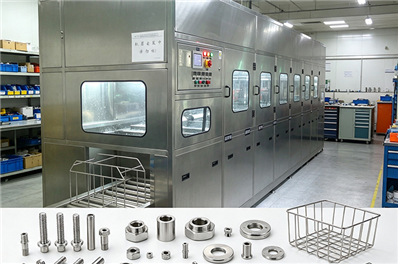 Ultrasonic Cleaning Machine: Why Disassemble Molds When You Can Clean Carbon Deposits in Minutes?
In industrial manufacturing, few maintenance tasks are as time-consuming and costly as mold cleaning. Production managers know the drill all too well: shutdown the line, wait for the mold to cool, disassemble every component, scrub stubborn carbon deposit
-
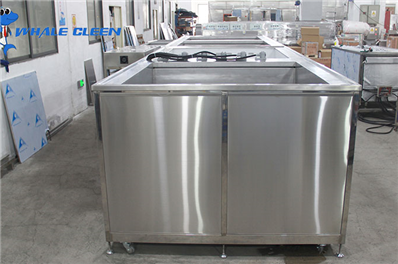 Industrial Ultrasonic Cleaning Machine: The Complete Solution for Stubborn Oil and Carbon Deposit Removal on Gears and Bearings
In the machinery manufacturing and heavy equipment maintenance sectors, few maintenance tasks are as persistently frustrating as cleaning gears and bearings. These precision components—the “skeleton and joints” of mechanical transmission systems—are routi
-
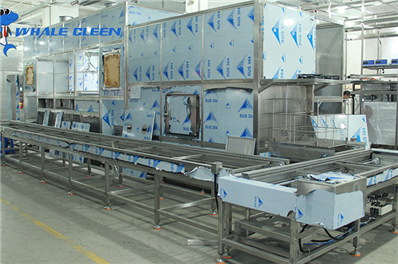 Ultrasonic Cleaning Machine for Aerospace Components: From High-Risk Traditional Methods to Non-Contact Degreasing That Safeguards Flight Safety
In the high-stakes world of aviation maintenance, cleaning is far from a routine chore — it is a direct pillar of flight safety. A single turbine blade contaminated with baked-on carbon deposits, a fuel nozzle with partially clogged orifices, or a hydraul
-
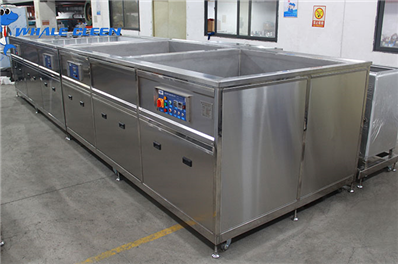 How to Choose a Fuel Injector Ultrasonic Cleaning Machine – A Practical Guide to Getting It Right
Fuel injectors are among the most precision-critical components in any modern engine. Over time, carbon deposits, varnish, and microscopic fuel residue accumulate inside the tiny orifices of the injector nozzle. These contaminants don't just reduce fu
-
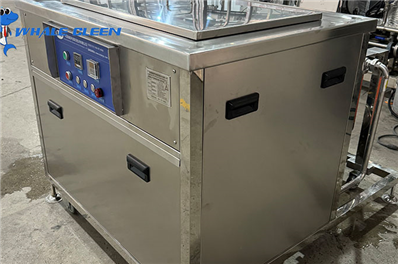 How Ultrasonic Cleaners Enhance Industrial Equipment Cleaning Efficiency
In the modern industrial landscape, the efficiency and longevity of machinery are paramount to maintaining productivity and minimizing downtime. Contaminants such as oils, greases, carbon deposits, and other residues can accumulate on industrial equipment
-
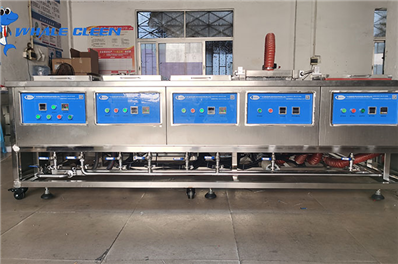 Ultrasonic Cleaning of Metal Fuel Injectors: Enhancing Fuel Injection Efficiency and Engine Performance
Cleaning metal fuel injectors is a critical step in maintaining engine performance and optimizing fuel efficiency. Over time, metal fuel injectors can accumulate carbon deposits and impurities, leading to decreased fuel injection efficiency and reduced en
-
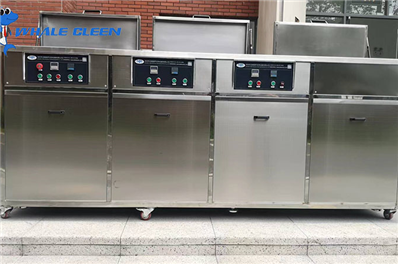 Ultrasonic Cleaning Machines: Effective Cleaning of Car Engines and Components
Ultrasonic cleaning machines are widely utilized in the automotive industry for effectively cleaning car engines and components. Car engines and parts often accumulate dirt, grease, carbon deposits, and other contaminants that can hinder their performance
-
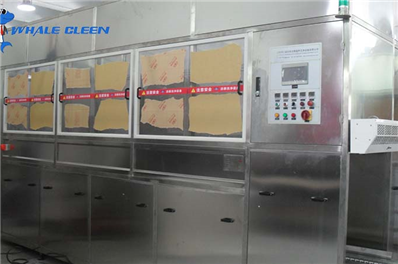 How to clean the fuel injector if it is too dirty? Quick cleaning method of the fuel injector.
When it comes to automotive fuel injectors, we all know. It is used in a car engine to inject oil into the engine. However, the nozzle in high temperature and high-pressure environment after long-term work, it is difficult to avoid carbon deposition. But
-
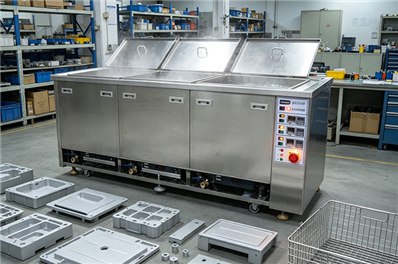 Ultrasonic Electrolytic Cleaning for Molds: Eliminate Gas Coke and Toner Residue That Causes Yellowing and Flow Marks
The Persistent Mold Contamination Problem In injection molding, the mold is the heart of production. But over time, even the best-maintained molds accumulate stubborn contaminants that no amount of wiping or solvent dipping can fully remove. Two of the
-
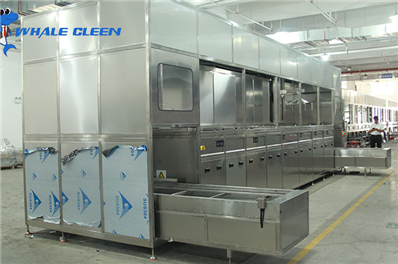 How to Choose a Fuel Injector Ultrasonic Cleaning Machine: A Practical Guide for Workshops and Engine Rebuilders
For automotive workshops, diesel service centers, and engine remanufacturing facilities, few problems are as common—and as frustrating—as clogged fuel injectors. Modern fuel injectors are precision components with microscopic spray holes (often 0.1–0.2 mm
-
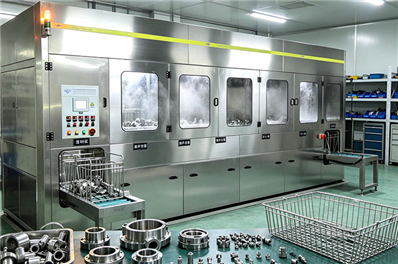 Industrial Ultrasonic Cleaning Machine: The Complete Solution for Manufacturing Precision Parts
In modern manufacturing, surface cleanliness is not merely an aesthetic consideration—it is a critical factor that directly impacts product performance, coating adhesion, and overall production yield. From automotive engine components and transmission par
-
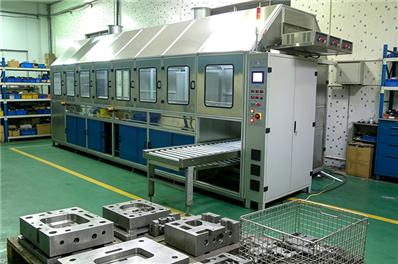 No Harsh Chemicals? How to Achieve Micron-Level Cleanliness for Nickel-Plated Substrates
You've dialed in the nickel plating bath chemistry. The temperature is right, the current density is optimized, and the dwell time is precisely controlled. Yet the plating still blisters. The cross-hatch test fails. The adhesion just isn't there.T